

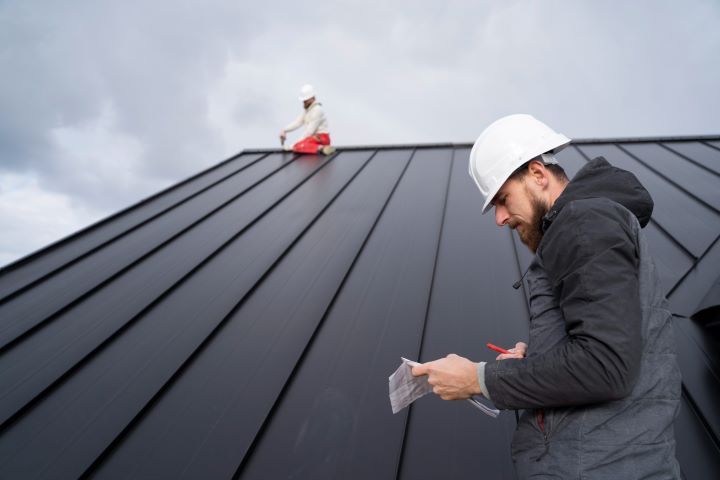
Commercial roof repair costs remain one of the most important budgeting considerations for property owners, facility managers, and industrial operators in 2026. Whether you manage a warehouse, office complex, retail building, or manufacturing facility, understanding repair pricing helps you control maintenance expenses, avoid unexpected emergencies, and extend the lifespan of your roofing system.
This guide provides a detailed breakdown of commercial roof repair costs, key pricing factors, roofing system differences, and what business owners should expect when hiring a commercial roofing contractor.
What Is Commercial Roof Repair?
Commercial roof repair refers to fixing damage, leaks, or deterioration in non-residential roofing systems. These systems are typically flat or low-slope and require specialized materials and installation techniques compared to residential roofs.
Common commercial roof repair services include:
- Leak detection and sealing
- Membrane patching (TPO, EPDM, PVC systems)
- Modified bitumen repair
- Flashing repair and replacement
- Drainage correction
- Storm and wind damage restoration
Businesses typically search for commercial roof repair services when they notice leaks, ponding water, or visible surface damage affecting building performance.
Average Commercial Roof Repair Cost in 2026
In 2026, commercial roof repair costs vary widely depending on the severity of damage and the roofing system type. On average:
- Minor repairs: $300 to $1,200
- Moderate repairs: $1,200 to $5,000
- Major repairs: $5,000 to $15,000 or more
Large industrial facilities or complex roofing systems may exceed these ranges due to labor requirements and material costs.
Search intent keywords like commercial roof repair cost, flat roof repair commercial building, and industrial roof leak repair reflect the need for transparent pricing information among business owners.
Key Factors That Affect Commercial Roof Repair Cost
1. Type of Roofing System
Different roofing systems require different repair methods, labor intensity, and materials.
Flat Roofing Systems
Flat roofs are common in commercial buildings but are prone to water pooling and drainage issues. Repair costs vary depending on membrane condition and water damage severity.
Modified Bitumen Roofing
Modified bitumen is a durable system commonly found in older commercial buildings. Repairs often involve torch-down or adhesive-based patching, making costs moderate.
Single-Ply Roofing Systems (TPO, EPDM, PVC)
These modern systems are widely used in commercial roofing installation projects.
- TPO roofing is cost-effective and energy efficient
- EPDM roofing is flexible and relatively inexpensive to repair
- PVC roofing is more durable but slightly more expensive to fix
Cool Roofing Systems
Cool roofing reflects sunlight and reduces heat absorption. Repairs may involve re-coating or restoring reflective layers rather than full membrane replacement.
2. Roof Size and Building Type
Roof size significantly affects repair costs. Larger commercial and industrial roofs require:
- More labor hours
- Higher material quantities
- Specialized equipment such as lifts or cranes
Industrial roofing contractor services are typically more expensive due to the scale and complexity of warehouses, factories, and manufacturing facilities.
3. Type and Severity of Damage
The extent of damage is one of the biggest cost drivers:
- Small punctures or minor leaks result in lower costs
- Membrane damage requires moderate repair work
- Structural issues significantly increase costs
- Storm or wind damage often requires emergency repairs
Emergency commercial roof repair services usually cost more due to urgent labor and material mobilization.
4. Roof Accessibility
Accessibility impacts labor costs. Difficult-to-reach roofs increase expenses due to:
- Safety equipment requirements
- Additional labor time
- Machinery rentals such as cranes or lifts
High-rise commercial buildings or complex industrial structures often fall into this category.
5. Material Availability and Quality
Material choice directly influences cost. Systems such as modified bitumen roofing or single-ply membranes vary in pricing depending on supply availability and installation complexity.
Energy-efficient options like cool roofing systems may have higher upfront repair costs but lower long-term energy expenses.
Commercial Roof Installation vs Repair Costs
Many business owners compare commercial roof installation with repair costs when deciding on maintenance strategies.
- Repairs are more cost-effective in the short term
- Full installation or replacement requires higher upfront investment
- Replacement becomes necessary when damage is widespread or recurring
If repair costs exceed 30 to 40 percent of replacement cost, commercial roof replacement is often recommended by contractors.
Common Commercial Roof Repair Services
Professional commercial roofing services typically include a range of solutions depending on roof condition:
Commercial Roof Leak Repair
Includes sealing leaks, repairing flashing, and restoring waterproofing layers.
Flat Roof Repair Services
Focuses on membrane patching, ponding water correction, and drainage system improvements.
Emergency Roof Repair
Provides immediate response after storms, leaks, or structural damage.
Industrial Roof Repair
Large-scale repair services designed for warehouses, factories, and heavy-duty structures.
Industrial Roofing Contractor Cost Considerations
Hiring an industrial roofing contractor generally costs more due to:
- Larger roof surface areas
- Heavy-duty roofing materials
- Strict safety regulations
- Specialized equipment requirements
Industrial roofing systems require ongoing maintenance to avoid production downtime and structural risks.
Cool Roofing and Energy Efficiency Impact
Cool roofing systems are designed to reduce heat absorption and improve energy efficiency in commercial buildings. Repairs often involve:
- Reflective coating restoration
- Surface resealing
- UV protection layer maintenance
While repair costs may be higher in some cases, businesses benefit from reduced cooling expenses over time.
How to Decide Between Repair and Replacement
Choosing between repair and replacement depends on several factors:
Choose Repair When:
- Damage is localized
- Roof is relatively new (under 10 to 15 years)
- No structural deterioration exists
Choose Replacement When:
- Frequent leaks occur
- Roofing system is near end of life
- Repair costs continue to increase over time
A professional commercial roofing contractor can evaluate whether repair or replacement is more cost-effective.
How to Reduce Commercial Roof Repair Costs
Business owners can reduce long-term roofing expenses by:
- Scheduling regular roof inspections
- Cleaning drainage systems to prevent water buildup
- Repairing minor issues early
- Implementing preventive maintenance programs
- Hiring experienced commercial roofing professionals
Preventive maintenance is significantly more cost-effective than emergency repairs.
Choosing the Right Commercial Roofing Contractor
When selecting a contractor, consider the following:
- Experience in commercial roof installation and repair
- Expertise in flat roofing systems and industrial roofing
- Proper licensing and insurance coverage
- Transparent cost estimates
- Strong reputation in commercial roofing services
A qualified contractor ensures better durability, fewer repairs, and long-term cost savings.
Conclusion
Commercial roof repair costs in 2026 depend on several factors including roofing system type, damage severity, building size, and accessibility. While minor repairs may be affordable, large-scale industrial roofing repairs can become expensive if not addressed early.
Understanding cost drivers and investing in preventive maintenance helps business owners reduce long-term expenses and extend roof lifespan. Working with an experienced industrial roofing contractor ensures accurate diagnosis, efficient repairs, and better protection for commercial properties.
Protect your home with expert roofing solutions—contact Hellenic Roofing & Construction today for a free inspection and reliable service you can trust.